
Video Interpretation Services: When to Choose Visual Over Audio
Key Takeaways
|
A worried mother brings her toddler to an urgent care clinic. The child has a fever, and the mother speaks only Mam, a Mayan language rarely encountered in mainstream healthcare. Through video interpretation services, a qualified interpreter appears on screen within seconds. The interpreter doesn't just translate words. She observes the mother's facial expressions, notices her gestures toward the child, and helps the physician spot subtle signs of dehydration that might have been missed in a phone-only conversation.
This scenario illustrates why video remote interpretation services are the fastest-growing segment in the language access industry, expanding at 14.7% annually since 2021 according to Data Horizon Research. Remote interpretation now accounts for 58% of the total interpreter services market, and video is increasingly preferred over phone for complex interactions.
But video interpretation isn't always the right choice. Understanding when visual context matters, and when phone interpretation suffices, helps organizations deploy resources effectively and deliver better outcomes.
What Video Interpretation Services Actually Deliver
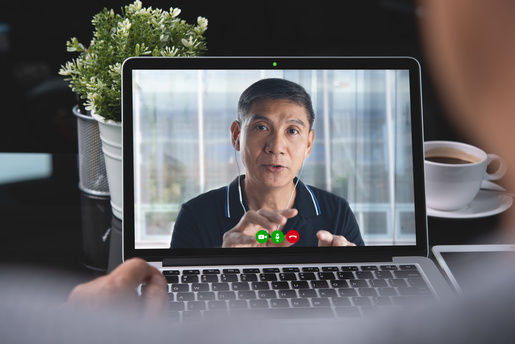
Video interpreting service connects you to a professional interpreter via secure video conference. Both parties can see the interpreter, and the interpreter can see both parties. This visual element fundamentally changes what's possible in interpreted communication.
What video adds that phone interpretation cannot:
Non-verbal communication: Facial expressions, body language, and emotional cues that convey meaning beyond words. A patient grimacing while describing pain levels communicates differently than one speaking calmly.
Visual demonstration: The ability to point to body parts, show physical symptoms, demonstrate exercises, or reference documents and images on screen.
Sign language support: American Sign Language and other sign languages require visual communication. Phone interpretation simply cannot serve Deaf and Hard of Hearing individuals who use sign language.
Interpreter verification: Seeing the interpreter builds trust. Patients and clients can confirm they're speaking with a qualified professional, not just a voice on the line.
Major providers like One World Global Services now offer video interpreter services in 300+ languages, including American and British Sign Language. Connection times typically run 60-90 seconds for common languages, with 24/7 availability for urgent needs.
When Video Remote Interpretation Services Outperform Phone
Not every interpreted conversation benefits from video. But certain situations demand it.
Healthcare settings
Healthcare represents approximately 32% of the interpreter services market, making it the largest end-user segment. Video interpretation services have become standard in hospitals for good reason. Physicians need to see patient reactions when explaining diagnoses. Nurses demonstrating medication administration or wound care need visual confirmation of understanding. Mental health providers assessing emotional states require facial cues that phone calls cannot capture.
Research shows that video remote interpretation services are linked to better health outcomes, fewer readmissions, and reduced costs compared to scenarios where language barriers go unaddressed. Under Section 1557 of the Affordable Care Act, healthcare providers must ensure non-discriminatory access to services, which includes providing meaningful communication for patients with Limited English Proficiency and those who are Deaf or Hard of Hearing.
Deaf and Hard of Hearing communication
Approximately 500,000 Americans rely primarily on American Sign Language, which requires visual communication. For these individuals, video interpretation isn't a premium option. It's the only option that provides equal access. The Americans with Disabilities Act requires effective communication for Deaf and Hard of Hearing individuals in many settings, and video interpreting service is often the most practical way to meet that obligation.
Many hospitals now equip patient rooms with video interpreting devices, ensuring immediate access to ASL interpreters without the delays and costs of scheduling in-person visits. This convenience improves patient care while streamlining workflow for healthcare staff.
Complex or emotionally sensitive conversations
End-of-life discussions. Mental health assessments. Child custody proceedings. Immigration interviews. These conversations carry emotional weight that demands visual connection. An interpreter who can see both parties picks up on distress, confusion, or discomfort that might not come through in voice alone. This awareness allows them to pace the conversation appropriately and ensure both parties truly understand each other.
Training and demonstrations
Employee training sessions, equipment demonstrations, and procedural explanations all benefit from video. When an instructor shows how to operate machinery or perform a safety procedure, the interpreter can see what's being demonstrated and provide more accurate, contextual interpretation. This reduces the risk of misunderstanding that could lead to workplace accidents or errors.
When Phone Interpretation Makes More Sense
Video interpretation services cost more than phone interpretation, typically $4-5 per minute versus $3-4 per minute for audio. That premium is worth it when visual context matters, but unnecessary for many routine interactions.
Phone interpretation works well for:
Appointment scheduling and reminders where the conversation is straightforward and scripted
Insurance verification and billing questions that involve numbers and standard terminology
Customer service calls for routine inquiries and issue resolution
Brief follow-up conversations where context is already established
High-volume call centers where speed and efficiency are priorities
Over-the-phone interpretation still accounts for 62% of remote interpretation sessions. It remains the workhorse of language access because it's fast, affordable, and sufficient for many use cases. Smart organizations use both modalities, matching the tool to the task.
Technical Requirements for Quality Video Interpreting Service
Poor video quality undermines the entire purpose of choosing video over phone. If the interpreter can't clearly see facial expressions or sign language, the visual advantage disappears.
What quality video interpretation services require:
Reliable high-speed internet: Video interpretation demands consistent bandwidth. Spotty connections create frustrating delays and missed visual cues.
Large, clear screens: For sign language interpretation especially, screen size matters. ASL users need to see the interpreter's hands, face, and upper body clearly. Small smartphone screens often don't suffice.
Good lighting and camera positioning: The interpreter needs to see both parties clearly. Backlighting, poor angles, or obstructed views defeat the purpose of video.
Audio quality: Video interpretation still relies on spoken communication for most languages. Echo, feedback, or muffled audio creates problems regardless of video quality.
HIPAA-compliant platforms: In healthcare settings, video interpretation must occur over secure, encrypted connections that protect patient privacy.
Many healthcare facilities now use dedicated VRI carts with medical-grade equipment: large screens, quality cameras, reliable connectivity, and wheels for easy transport between rooms. This investment in infrastructure ensures video interpretation delivers on its promise.
Choosing a Video Interpreter Services Provider
The video remote interpretation services market has attracted many providers, but quality varies significantly. Here's what to evaluate.
Interpreter qualifications
Video doesn't automatically mean quality. Ask about interpreter certifications, particularly for specialized fields like healthcare or legal. Medical video interpreters should hold credentials from recognized bodies. ASL interpreters should have appropriate certifications for the settings where they'll work. The visual element makes interpreter professionalism more visible, so ensure your provider employs interpreters who present professionally on camera.
Language and modality coverage
Video interpretation isn't available in as many languages as phone interpretation. Most providers offer video in 30-50 languages compared to 200+ for phone. Verify that your most-needed languages are available via video, including sign languages if you serve Deaf populations. Also confirm that the platform can seamlessly fall back to phone interpretation when video isn't available or appropriate.
Integration capabilities
The best video interpretation services integrate with your existing systems. In healthcare, that means EHR integration allowing clinicians to launch video interpretation directly from patient records. In business settings, integration with video conferencing platforms like Zoom, Teams, or WebEx enables seamless interpreter access during meetings. The easier you make it to access video interpretation, the more consistently staff will use it.
Connection speed and reliability
Ask for performance data on connection times. In healthcare emergencies, every second matters. The best providers connect you to a video interpreter in under 30 seconds for common languages. Also inquire about uptime guarantees and backup protocols when technical issues occur.
Building a Balanced Language Access Program
Effective language access doesn't mean choosing between video and phone interpretation. It means deploying each where it delivers the most value.
A practical approach:
Default to video for clinical consultations, mental health services, complex legal matters, and any interaction with Deaf or Hard of Hearing individuals
Use phone interpretation for scheduling, billing, routine customer service, and high-volume call center operations
Schedule in-person interpreters for lengthy proceedings, group settings, or situations where technology barriers exist
Train staff to recognize when video adds value and how to use video interpretation technology effectively
Invest in equipment so video interpretation is available where it's needed most
The goal is matching modality to need. Overspending on video for simple calls wastes resources. Underspending by using phone for complex medical discussions creates risk. Getting this balance right optimizes both cost and outcomes.
The Future of Video Interpretation Services
Video interpretation services are projected to continue growing at 15% annually through 2033, far outpacing other interpretation modalities. Several factors drive this growth: expanding telehealth adoption, increasing regulatory requirements for language access, improving video technology, and growing recognition that visual context improves communication outcomes.
AI-assisted tools are beginning to enhance video interpretation, with approximately 35% of language service providers implementing some form of AI-enhanced service. These tools help with scheduling, quality assurance, and workflow optimization, though human interpreters remain essential for the nuanced communication that video enables.
For organizations serving diverse populations, video interpretation is no longer a premium add-on. It's an essential capability that improves outcomes, ensures compliance, and demonstrates commitment to equitable access.
One World Global Services provides video interpretation services in 40+ languages, including American Sign Language, with rapid connection times and certified interpreters. Whether you need video remote interpretation for healthcare, legal, or business applications, our team can help you implement the right solution for your needs. Contact us to discuss how video interpretation services can improve your language access program. |


Comments